Blog
Expert Advice for DIY Plumbing Projects: What You Should Know
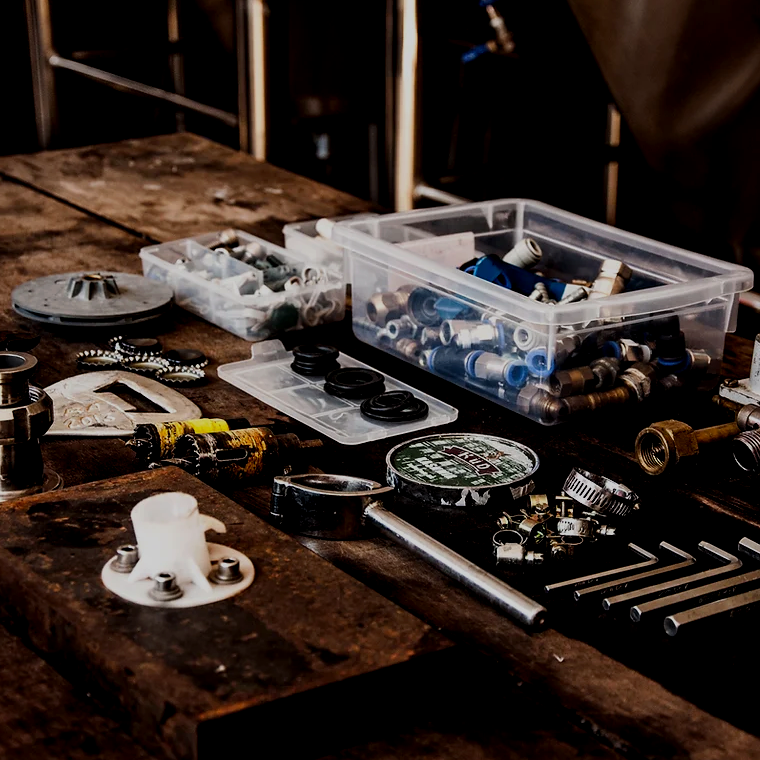
First, let's talk about the importance of preparation. Before diving into any DIY plumbing task, make sure you have a clear plan and the right tools on hand. Essential tools like a wrench, pliers, and a plumber's snake are invaluable. Having these prepared can save you time and prevent unnecessary frustration. Additionally, shut off the water supply before starting any repair work. This might seem obvious, but it's a step that, if forgotten, can lead to unexpected flooding and damage.
Understanding your plumbing system is the next critical step. Familiarize yourself with your home's plumbing layout, including where all the valves and pipes are located. Knowing how to turn off the main water line in case of an emergency is crucial. This knowledge not only helps you tackle small issues quickly but can be invaluable in a plumbing emergency.
As you begin your project, it's important to ensure you're working safely. For tasks like clearing clogged drains, avoid harsh chemical drain cleaners, as these can damage pipes over time. Instead, opt for natural solutions like baking soda and vinegar, or use a manual snake or plunger to tackle tough clogs. When handling more involved tasks, such as replacing pipes or fixtures, use protective gear like gloves and goggles to protect yourself from debris and sharp edges.
Now, let's address one common question: "When should I call a professional?" It's admirable to take on DIY plumbing challenges, but it's equally important to recognize your limits. If you encounter issues like persistent leaks, low water pressure, or sewage odors, it might be time to consult a professional plumber. Complex fixes that involve your home's sewage system or require digging into walls should be left to experienced technicians to avoid further damage.
Finally, after completing your DIY project, routine maintenance is key to keeping your plumbing in tip-top shape. Regularly check for leaks around your fixtures and inspect hoses and connections for signs of wear. This proactive approach can prevent small issues from becoming larger, costlier repairs down the road.
In conclusion, tackling DIY plumbing projects can be a rewarding experience, granting you both savings and a sense of accomplishment. However, it's essential to equip yourself with the right knowledge and tools. At Hrod Plumber and Heating, we're here to support your DIY ambitions but don't hesitate to reach out if a project proves too challenging. With a bit of preparation, understanding, and the right resources, you can handle many plumbing issues yourself while keeping your home safe and efficient.